You take antibiotics. The BV clears. And then, a few weeks later during a stressful work deadline, after a run of broken nights, or in the middle of a difficult month it comes back.
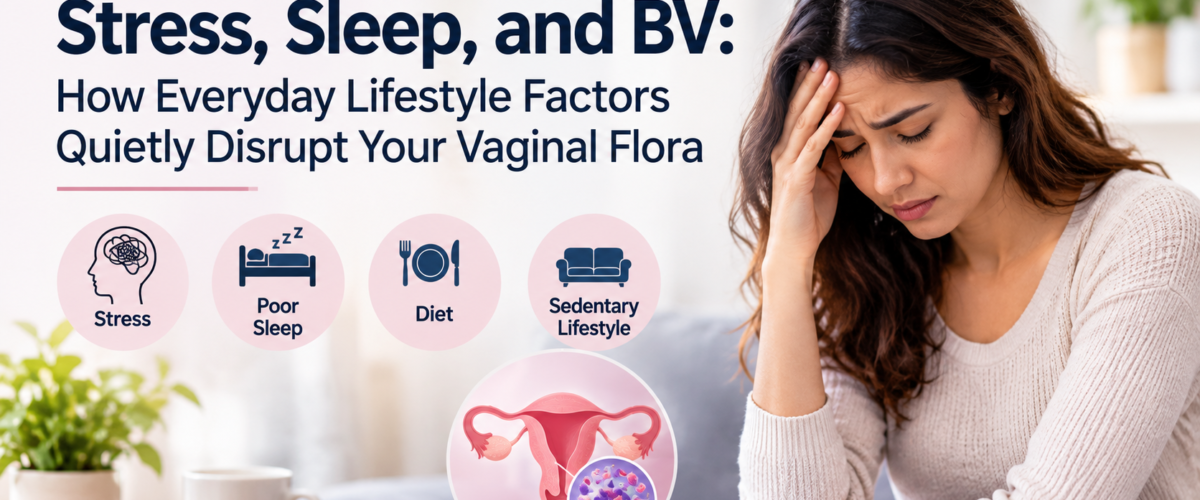
If that pattern sounds familiar, the connection between your daily lifestyle and your vaginal microbiome is worth understanding. Because bacterial vaginosis is treated as a medical condition requiring antibiotic therapy, it is also a condition that is quietly shaped, triggered, and worsened by the everyday stressors that modern life routinely delivers: chronic stress, disrupted sleep, poor diet, and sedentary habits.
None of these factors cause BV directly. But each one chips away at the vaginal microbiome in ways that make BV easier to trigger and harder to recover from. Here is what science actually shows.
The Vaginal Microbiome Is a Stress-Sensitive Ecosystem
Your vaginal microbiome is not isolated from the rest of your body. It is connected to your immune system, your hormonal axis, and your nervous system which means that whatever your body is experiencing systemically, your vaginal flora feels it too.
Daily habits and lifestyle can influence the composition of the vaginal microbiota, thereby affecting vaginal health. Disturbances in the vaginal microbiota are associated factors for STIs and vaginosis.
Sexual behaviours, smoking, alcohol consumption, and psychosocial stress are all associated with increased susceptibility to bacterial vaginosis and severe pelvic inflammatory disease due to a modified vaginal microbiota.
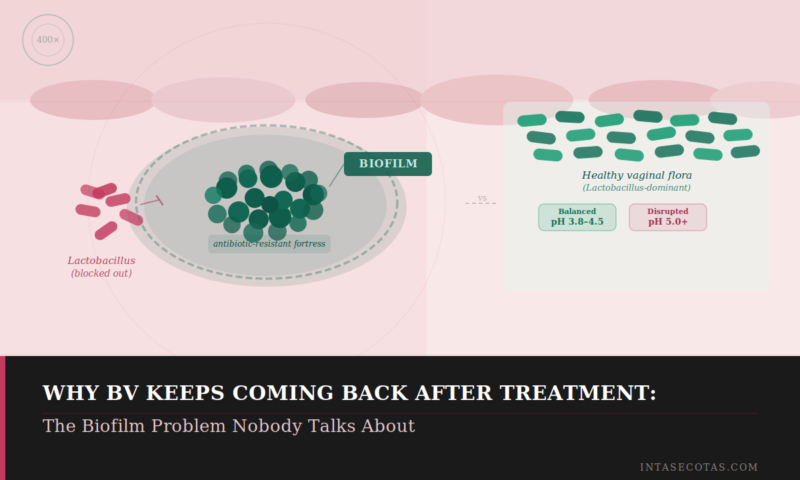
The healthy vaginal microbiome is dominated by Lactobacillus bacteria that produce lactic acid, keeping vaginal pH in the protective 3.8 – 4.5 range. That ecosystem is not static; it responds dynamically to what you eat, how you sleep, how much stress you carry, and how you live. Understanding those responses gives you a genuine roadmap for reducing recurrence risk beyond just antibiotic treatment.
Stress and BV: The Cortisol-Microbiome Connection
Does Stress Cause BV?
The honest, nuanced answer: stress does not directly cause BV but it creates measurable conditions that make BV significantly more likely to develop and harder for the body to resolve.
While stress does not directly cause bacterial vaginosis, it can play a part in setting the stage. The effects of constant stress on hormones, immune system, and bacteria can result in making the body susceptible to developing bacterial vaginosis.
The mechanism runs through cortisol, the primary stress hormone. When you are under stress, your body releases cortisol. That is completely normal in the short term. But when the stress is prolonged for several weeks or months, then the hormones impact the immunity and hormone levels. The bacteria found in the vagina, especially Lactobacillus, need oestrogen and glycogen to produce the lactic acid. The lactic acid helps in maintaining the acidity level in the vagina that ensures the growth of good bacteria while preventing the proliferation of bad bacteria.
Chronic cortisol elevation disrupts oestrogen production and as oestrogen falls, the glycogen supply that Lactobacillus depends on for fuel decreases. Less glycogen means less lactic acid. Less lactic acid means rising vaginal pH. Rising pH means a microbiome environment where BV-associated bacteria can establish themselves.
What the Clinical Evidence Shows
This is not just theoretical, there is published epidemiological evidence directly linking perceived stress to BV risk.
A 5-unit increase in the Cohen’s Perceived Stress Scale was associated with a 40% greater risk of developing molecular bacterial vaginosis, a state characterised by low Lactobacillus abundance and diverse anaerobic bacteria. A higher stress score was also associated with a 26% greater risk of transitioning from a Lactobacillus-dominated community state to molecular BV, and a 23% greater chance of maintaining molecular BV from baseline.
Critically: women with baseline molecular BV reporting higher stress were less likely to transition to microbiota dominated by L. crispatus, L. gasseri, or other protective Lactobacillus species. In other words, stress does not just help BV develop, it actively prevents the natural microbiome recovery that resolves it.
Psychosocial stress has been linked to bacterial vaginosis, the most common gynaecological morbidity. Molecular features of BV include a paucity of protective lactobacilli, an abundance of diverse anaerobes, a high vaginal pH (above 4.5), and high concentrations of biogenic amines.
Sleep Deprivation and Vaginal Health
Sleep is one of the least-discussed lifestyle factors in vaginal health but its disruption reaches the microbiome through two direct pathways.
Sleep and Immune Function
Consistent, quality sleep is one of the primary drivers of immune regulation. Immune cells actively surveil the vaginal mucosa identifying and suppressing opportunistic bacteria and fungi before they can establish overgrowth. When sleep is fragmented or insufficient, immune signalling in the vaginal tract is reduced, giving BV-associated bacteria and Candida a window of lowered resistance.
Sleep deprivation can interfere with hormones, which can lead to increased vaginal dryness or irritation and higher cortisol levels from poor sleep make it easier for BV and yeast infections to take over.
Sleep and Cortisol
Poor sleep is also one of the fastest ways to chronically elevate cortisol. Even a single night of significant sleep disruption measurably raises cortisol levels the following day. In women already managing borderline vaginal microbiome stability, the compounding cortisol burden of sustained poor sleep can be the tipping point that pushes Lactobacillus populations below the threshold needed to maintain protective vaginal pH.
The sleep-cortisol-oestrogen-glycogen-Lactobacillus chain is not a long one and it runs in both directions. Stress causes poor sleep; poor sleep elevates cortisol; cortisol suppresses oestrogen; oestrogen loss reduces glycogen; Lactobacillus loses fuel; vaginal pH rises; BV risk increases. And the BV itself then heightens anxiety and disrupts further sleep, closing the loop.
Diet and the Vaginal Microbiome
What you eat influences your vaginal flora both directly through nutrients that support or undermine Lactobacillus populations and indirectly, through systemic inflammation and immune function.
The dietary intake may influence the systemic inflammation and the vaginal microflora by means of immune response, oxidative stress, and metabolism.
High Sugar and Refined Carbohydrate Intake
High dietary sugar and refined carbohydrates create two problems for vaginal flora. First, they feed Candida albicans the fungus responsible for yeast infections providing the glucose that fuels overgrowth. Second, a high-sugar diet drives systemic inflammation that compromises vaginal immune defences, making the microbiome easier for opportunistic bacteria to colonise.
Dietary Patterns That Support Vaginal Flora
Evidence-informed dietary adjustments that support a healthy vaginal microbiome include:
- Fermented foods natural dietary sources of Lactobacillus (yoghurt, kefir, sauerkraut) may support the gut microbiome that connects through the gut-vaginal axis
- Vitamin C supports immune function and some evidence suggests it may directly acidify the vaginal environment; found in citrus fruits, bell peppers, and leafy greens
- Omega-3 fatty acids anti-inflammatory fats (oily fish, flaxseed, walnuts) help lower systemic inflammation that can compromise vaginal mucosal immunity
- Reduced alcohol alcohol disrupts Lactobacillus populations through both its direct antimicrobial effect and its impact on immune and hormonal function
Smoking and Vaginal Flora
Smoking is associated with increased susceptibility to bacterial vaginosis due to a modified vaginal microbiota.
The mechanism is multifaceted: nicotine and other tobacco compounds have direct antimicrobial effects on Lactobacillus species, while smoking-driven systemic inflammation compromises vaginal immune defences. Women who smoke have consistently higher rates of BV in epidemiological studies and smoking cessation is associated with improved vaginal microbiome stability.
Exercise: A Protective Lifestyle Factor With Important Nuance
Moderate, regular exercise supports vaginal microbiome health through its anti-inflammatory effects and its positive influence on cortisol regulation. Reducing chronic stress through regular physical activity is one of the most evidence-based ways to lower sustained cortisol levels which, through the chain described above, supports oestrogen stability and Lactobacillus fuel availability.
However, intense exercise can also alter the vaginal microbiome and cause loss of Lactobacillus species particularly high-frequency, high-intensity training combined with synthetic moisture-trapping workout wear. The takeaway is not to avoid exercise but to support recovery: breathable clothing, adequate post-exercise hygiene (external only, never douching), and consistent probiotic supplementation for women who train intensively.
How to Build a Lifestyle That Protects Your Vaginal Microbiome
Combining the evidence across these lifestyle domains gives a clear, practical framework:
- Manage chronic stress actively mindfulness, adequate breaks, workload management, and counselling where needed; cortisol management directly supports vaginal Lactobacillus populations
- Prioritise sleep quality 7 – 9 hours of consistent, uninterrupted sleep supports both the immune surveillance of the vaginal mucosa and healthy cortisol regulation
- Reduce dietary sugar and refined carbohydrates particularly important for women who experience recurrent yeast infections alongside BV
- Stop smoking one of the most impactful single changes for women with persistent vaginal microbiome instability
- Use breathable, natural-fibre underwear moisture and heat favour pathogen growth; cotton underwear supports a drier, more microbiome-friendly environment
- Never douche removes the Lactobacillus that stress and poor sleep are already depleting
- Support with a daily synbiotic lifestyle optimisation reduces microbiome stress but cannot replace the consistent Lactobacillus replenishment that daily probiotic supplementation provides
How Ecotas BV Supports Your Microbiome Through Life’s Disruptions
Lifestyle changes take time, and life’s stressors are not always avoidable. Ecotas BV for vaginal health is designed to give your vaginal microbiome a consistent daily foundation of Lactobacillus support regardless of what each day brings.
The four Lactobacillus strains in the Ecotas BV daily capsule for vaginal health work together to maintain the microbiome resilience that stress, sleep deprivation, and dietary disruption quietly erode:
- L. crispatus restores the protective dual-acid microbiome environment that chronic stress depletes through the cortisol-oestrogen-glycogen axis
- L. rhamnosus maintains competitive exclusion of BV-associated anaerobes even when the vaginal microbiome is under systemic stress load
- L. jensenii contributes native lactic acid production that helps sustain acidic vaginal pH when lifestyle-driven cortisol elevation is pushing it upward
- L. gasseri supports the protective biofilm and anti-Candida defences that become more vulnerable during periods of poor sleep and immune suppression
The fructo-oligosaccharides (FOS) prebiotic in the Ecotas BV formula provides a direct nutritional substrate for all four Lactobacillus strains partially compensating for the glycogen reduction that stress-driven oestrogen suppression causes.
A daily capsule for vaginal health does not replace stress management, sleep, or a healthy diet. But it provides the microbial foundation that makes your vaginal microbiome more resilient to all of those disruptions day after day, regardless of what else is going on in your life.
The Bottom Line
Bacterial vaginosis is not just a medical condition it is also a lifestyle-sensitive one. Chronic stress, poor sleep, high sugar intake, smoking, and other everyday factors all quietly deplete the Lactobacillus populations that protect your vaginal microbiome, making BV easier to trigger and harder to resolve.
Addressing those lifestyle factors is genuinely valuable and the evidence supports it. But so is giving your vaginal microbiome the consistent daily Lactobacillus support it needs to remain resilient through the inevitable disruptions that real life brings. Ecotas BV for vaginal health is the daily capsule for vaginal health that makes that support simple, sustainable, and science-backed.
Frequently Asked Questions
Could stress lead to BV or make it worse?
Yes, chronic stress can exacerbate or prolong bacterial vaginosis. Chronic stress impacts the immune system and hormonal balance, disrupting the vaginal microflora and making it difficult for the body to keep healthy bacteria. A major NIH longitudinal study found that a 5-unit increase in perceived stress score was associated with a 40% greater risk of developing molecular BV. Stress does not directly cause BV but it creates the hormonal and immune conditions that make BV significantly easier to trigger.
Does lack of sleep affect vaginal health?
Yes. When there is sleep deprivation, the cortisol level is increased; this hormone reduces the estrogen levels in the body, which decrease the glycogen content that the Lactobacillus bacteria rely on for sustenance. Sleep deprivation may affect the vaginal immunity mucosal defenses and prevent opportunistic bacteria from thriving in the vagina.
What foods help or harm vaginal flora?
Nutrition affects the vaginal microflora through immunomodulation, oxidative stress, and metabolism. Nutrient-rich diets that contain large amounts of sugar and carbohydrates can serve as a source of food for Candida development and also cause systemic inflammation that suppresses the immunity of the vagina. The beneficial elements of the diet include fermented milk products, foods that are high in vitamin C, and reduced alcohol intake. Reducing sugar is the single most impactful dietary shift for women with recurrent BV or yeast infections.
Does smoking cause BV?
Smoking increases the susceptibility of acquiring bacterial vaginosis because of altered vaginal microbiota. Tobacco compounds have direct antimicrobial effects on Lactobacillus species and promote systemic inflammation that compromises vaginal immunity. Women who smoke have consistently higher BV rates in epidemiological research.
Can a daily probiotic help with stress-related BV flares?
Yes, daily intake of synbiotics such as ecotas BV for the vagina will continuously replenish the Lactobacilli that will negate the negative effects of stress and bad eating on the microbiome composition. Although intake of probiotics cannot remove the stress that an individual may be going through, it is guaranteed that the microbiome of the vagina will have enough bacteria to maintain a protective pH environment.